


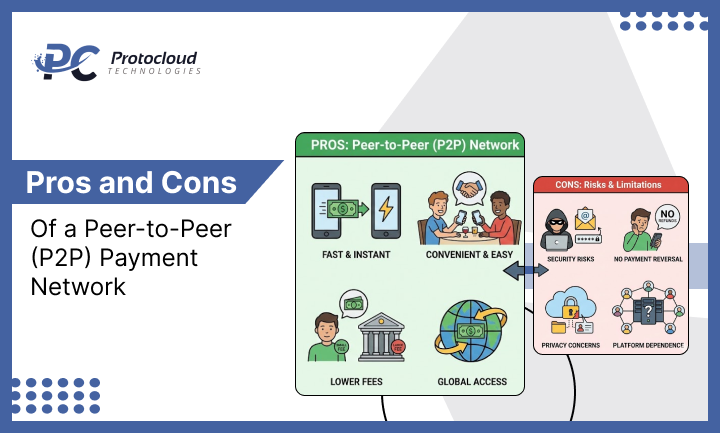
Every transaction is peer-to-peer. You pay. Someone receives. This applies to cash, credit cards, and ACH payments. But the meaning of P2P transfers has changed over the years. Today, it refers to a new way of exchanging money, goods, and services without banks or credit card companies in the middle.
These peer-to-peer payments let two people move money through online or mobile systems. You can use your bank account or credit card through P2P payment apps and digital payment platforms.
What Is a Peer-to-Peer Network?
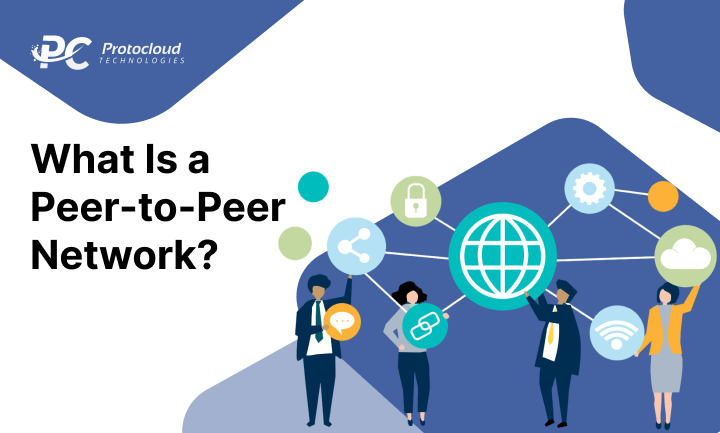
A peer-to-peer network starts with a simple step. Users link a bank account, credit card, or another payment method. Once connected, they can send and receive money from others on the same platform.
To send a payment, you only need a username, email address, or phone number. This is how P2P services make online fund transfer easy. Apps like PayPal P2P even save contacts after one transaction to speed up future transfers.
Once the money arrives, users can keep it in the app or transfer it to a bank account. This makes P2P money transfer smooth and convenient.
How P2P Payments Work for Users
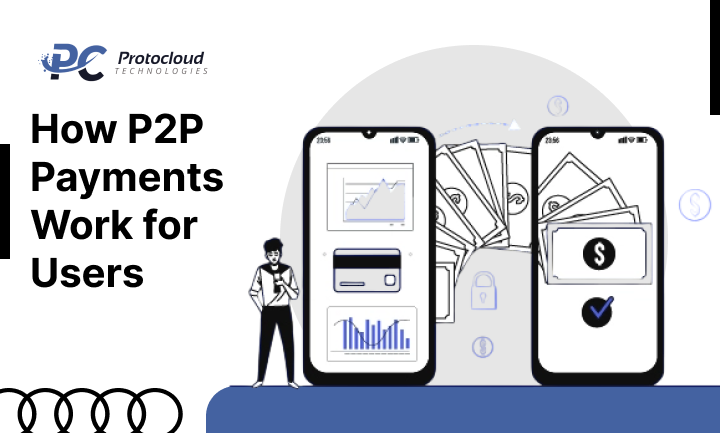
Many people love the ease of sending money without having to share bank details. This is why mobile payment apps and online money transfer apps have become popular. Users enjoy secure money transfer, fast access, and simple steps.
A Spring 2022 NerdWallet study highlights strong adoption of P2P payment system tools:
- 94% of Millennials
- 87% of Gen Z
- 88% of Gen X
They use mobile P2P apps like Zelle, Cash App, and Venmo.
What Are the Pros & Cons of P2P Payment Networks?
Understanding the pros and cons of P2P payment networks helps users compare them with traditional banking systems. These P2P payment networks offer speed and convenience, but they also come with a few risks. Knowing both sides helps users make better choices.
Pro: Ease of Use
One of the most significant advantages of P2P payment networks is ease of use. Most platforms are simple, straightforward, and quick. You can send money to anyone within seconds. This makes P2P payments more straightforward to use, a significant benefit.
Traditional bank transfers still feel slow. Some take hours or days, even with new tech like augmented reality banking modernisation. In this area, P2P payment networks stay ahead.
Con: Refund Difficulty
A significant issue is the difficulty of P2P refunds. Without an intermediary, getting your money back becomes tough. If a payment fails, a refund may not occur.
This also creates P2P transaction disputes. Sending money to the wrong person is a big problem, especially when the receiver is a stranger. These challenges highlight the disadvantages of P2P payment networks.
Pro: Low Fees
One strong advantage of P2P payment networks is cost. Low fees for P2P payments attract users who want quick transactions without high charges.
Some platforms charge nothing. Others add just 2–3%. The Clover currency conversion study shows users can save 75–90% by bypassing banks. These savings from P2P currency conversion make P2P a cost-effective choice.
Con: Security Concerns in Certain Situations
Most platforms use encryption and fraud detection. Still, P2P security concerns appear when a phone is compromised. A stolen phone can expose accounts and lead to P2P fraudulent transactions.
This creates serious P2P fraud risks, especially when compromised phone P2P security becomes a factor.
Pro: Anonymity
Many users love the anonymity in P2P payments. These systems require very little personal data. This helps people who care about P2P user identity privacy and want to avoid data misuse by big financial institutions.
Con: Scam Potential
Another concern is the potential for P2P scams. Scammers may pretend to sell goods or pose as officials. If users send money, items may never arrive.
CashApp buyer protection issues make the platform a common target. This increases P2P scam risks and adds to overall concerns about P2P network scams.
Pro: Partnerships With Traditional Platforms
A growing advantage is that many banks now work with P2P payment networks. These partnerships with banks’ P2P services give users more payment options.
Some banks even created their own traditional bank P2P services, expanding P2P payment benefits and offering additional protections.
Best Peer-to-Peer Payment Apps
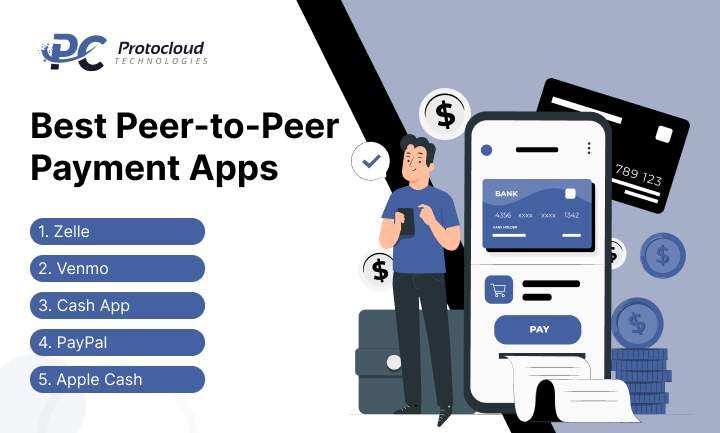
Peer-to-peer payments are now part of daily life. You tap an app, enter a name, and send money in seconds. No cash. No long bank forms. Just fast, simple transfers.
These apps make sending money effortless. You can split bills, pay friends, and handle quick transactions without waiting for bank delays. And with more people adopting P2P payment networks each year, choosing the right app matters.
In this guide, we’ll break down the best peer-to-peer payment apps. You’ll see how they work, their benefits, drawbacks, and what makes each one unique. Let’s dive in.
1. Zelle
What It Is
Zelle is a simple, popular money transfer service built into many U.S. bank apps. It lets users send money directly from one bank account to another. No middle app required. Because of this setup, Zelle bank transfers feel fast, seamless, and reliable within modern P2P payment networks.
How It Works
You set up a Zelle account in your bank’s mobile app. Once your Zelle enrollment is complete, you can send money to a person’s Zelle email address or phone number. If the recipient doesn’t use Zelle yet, they must enrol to receive funds.
Most Zelle instant transfers arrive within minutes when both users are enrolled. If the other user is not enrolled, they’ll need to sign up before the transfer completes.
Zelle Benefits
Zelle benefits include:
- Fast transfers. Money usually arrives in minutes.
- Strong bank compatibility. Many major banks and credit unions support Zelle, making transfers smooth.
- Direct-to-bank transfers. You don’t need to move money out of a third-party app.
Zelle Drawbacks
Zelle drawbacks include:
- No credit card support. The Zelle credit card is not allowed for payments.
- Smartphone reliance. Most users need a phone because the Zelle smartphone requirement applies unless your bank supports desktop use.
- Domestic use only. Zelle domestic transfers cannot go to international accounts.
2. Venmo
What It Is
Venmo is a social, easy-to-use app for quick transfers. PayPal owns it but works differently. Many people like Venmo because of its smooth interface, emoji-friendly notes, and optional Venmo debit card.
Users can pay using a linked bank account, Venmo balance, or credit card. Venmo is one of the most recognisable apps in today’s P2P payment networks.
How It Works
You download the app, create an account, and link a bank or card. Then you can send or receive Venmo money transfers from other users. Millions use Venmo daily, making it a go-to option for Venmo cashless payments.
Venmo Benefits
Key Venmo pros include:
- Large user base. Easy to find friends and family on the app.
- Free debit card. The Venmo debit card lets you spend your Venmo balance directly.
- Cashback rewards. Certain stores offer Venmo cashback that is added to your Venmo balance.
Venmo Drawbacks
Key Venmo cons include:
- Credit card fees. Sending money with a card adds a Venmo credit card fee of 3%.
- Instant-transfer fees. Instantly moving money to your bank account includes a Venmo instant transfer fee of 1.75%.
- Wait time for free transfers. Standard bank transfers take one to three business days.
3. Cash App
What It Is
Cash App is a flexible money transfer tool from Block Inc. Users can send money from their Cash App balance, bank account, or linked cards. It also offers a free Cash App Card, which works like a debit card.
Cash App stands out in P2P payment networks because users can also buy Bitcoin and invest in stocks directly in the app.
How It Works
You install the app and create a profile. Then you link a debit card, credit card, or bank account. After setup, you can send or receive money from other users. You can also activate Cash App offers, which provide instant Cash App discounts at select stores.
Cash App Benefits
Key Cash App benefits include:
- Free debit card. The Cash App Card lets you spend your balance anywhere that accepts debit.
- Special discounts. The app displays rotating Cash App offers for in-store purchases.
- Investment options. You can buy stocks and even purchase Bitcoin directly.
Cash App Drawbacks
Significant Cash App drawbacks include:
- Credit card fees. Sending money with a card incurs a 3% Cash App credit card fee.
- Instant deposit charges. Instant deposits add a Cash App instant deposit fee of 0.5%–1.75%.
- Only one active offer. You can activate only one discount at a time.
4. PayPal
What It Is
PayPal is one of the world’s most trusted payment brands. It supports PayPal P2P transfers, PayPal online payments, and PayPal merchant payments. Because it’s widely accepted, PayPal remains a leader in global P2P payment networks.
How It Works
You create a PayPal account, verify it, and add a bank or card. To send money, search for a person using their email, name, or phone number. You then enter the amount and pick your payment method.
PayPal Pros
Notable PayPal pros include:
- Multiple payment options. Use a bank account, debit card, credit card, PayPal balance, or PayPal Credit.
- Large transfer limits. Some PayPal transfer limits go up to $60,000.
- Wide usage. Many online stores support PayPal.
PayPal Cons
Common PayPal cons include:
- Fees for some cards. PayPal credit card fees and PayPal debit card fees apply.
- Slow transfers. Standard PayPal bank transfer time runs one to three business days.
- Instant cash-out fees. Instant transfers cost 1.75%, with a $25 max.
5. Apple Cash
What It Is
Apple Cash is ideal for iPhone, iPad, and Apple Watch users. It works inside Messages and Wallet. You can send quick Apple Cash transfers with just a few taps.
How It Works
You enrol in Apple Cash on your device. Then you link a debit card to the Apple Cash Wallet. Once set up, you can send, receive, or request money from other users through Apple Cash Messages.
Apple Cash Benefits
Key Apple Cash benefits include:
- Fast checkout. You can use Apple Cash for contactless payment at many stores.
- Perfect for Apple users. It integrates smoothly with the Apple ecosystem.
Apple Cash Limitations
The main Apple Cash limitation:
- Apple-only compatibility. It works only on Apple devices, making it harder for people outside the ecosystem to use.
Conclusion
P2P payments are growing fast, and the trend isn’t slowing down. More people choose these tools because they want speed, low fees, and simple digital experiences. As technology improves, P2P payment networks will keep evolving and shaping the future of money transfers. The shift toward fast, safe, and seamless digital payments is here to stay.












































Leave a Reply