


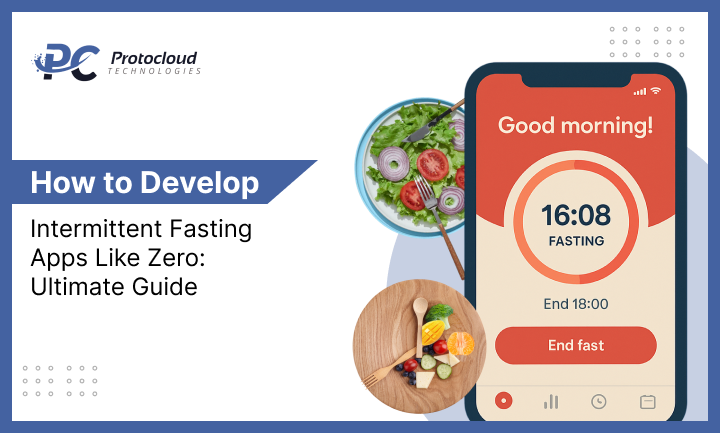
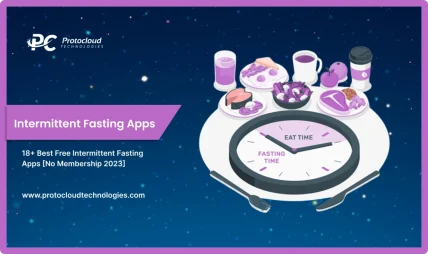
A growing number of people want to improve their health and manage their weight. One popular solution is to develop intermittent fasting apps. This approach alternates between periods of eating and fasting, and apps make it easy to follow routines. They provide guidance, reminders, and motivation.
Among the best fasting apps 2025, the Zero fasting app leads the way. It sets the standard for innovation and user-friendly design. Exploring intermittent fasting apps can reveal the key elements that make them popular.
What Is Intermittent Fasting?
Intermittent fasting combines periods of eating and fasting. The popular 16:8 fasting schedule involves fasting for 16 hours and eating during an 8-hour window. Users can adjust the schedule to fit personal goals.
Innovative health app development guides show how features in fasting tracker apps simplify adherence. Apps track hours, send reminders, and allow users to customize plans based on their health objectives.
Types of Intermittent Fasting Schedules
Experts at Harvard Health highlight several standard schedules:
Whole Day Fasting – Fast 1–2 days per week. Consume around 500 calories on fasting days, ideally 200 from protein.
Alternate–day fasting: eat 500 calories on alternate days. Non-fasting days allow everyday meals.
OMAD Diet (One Meal a Day) – Eat one large meal daily and fast for the remaining 23 hours.
Time-Restricted Feeding – Fast 16–20 hours daily with a 4–8 hour eating window. Zero-calorie drinks such as plain water or soothing herbal tea are perfectly fine to have.
Using a fasting tracker app makes it easy to stay consistent and measure progress over time.
Why Intermittent Fasting Apps Are Popular
Fasting apps are gaining traction in 2025 due to several reasons:
- Improve health while losing weight: Structured routines increase metabolism and energy expenditure.
- Behavioral change support: Goal-based encouragement motivates users. Progress tracking drives compliance.
- Track progress efficiently: Users log fasting hours and receive real-time feedback via an intuitive interface.
- Wearable integration: Many fasting apps with this feature let you track fasting, sleep, steps, and calories in one place.
- Community & coaching support: A built-in community enables users to learn from one another while receiving structured support from qualified coaches.
These benefits of fasting apps keep users motivated and consistent.
Who Should Consider Developing a Fasting App?

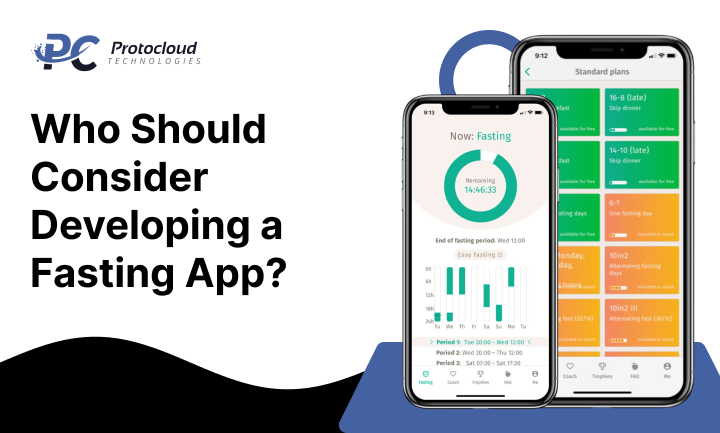
The fasting app market is not limited to fitness influencers. It presents opportunities for:
- Health and wellness startups are planning to launch their own digital products.
- Activewear and fitness brands are expanding their digital presence
- Nutritionists or diet coaches
- Healthcare SaaS companies
- Tech entrepreneurs targeting a high-growth app niche
By combining intermittent fasting app development with features like diet tracking, personal progress tracking, and behavior change support, you can build an app like Zero. Understanding the cost of wellness apps and the fitness app tech stack ensures realistic planning.
Essential Features to Develop Intermittent Fasting Apps
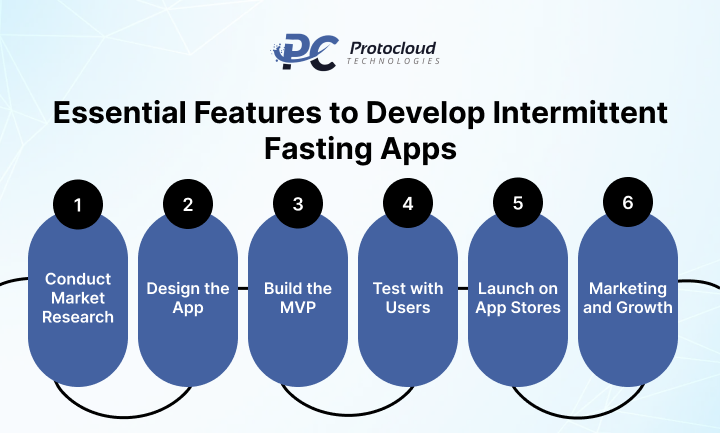
To develop standout intermittent fasting apps, focus on features that help users succeed. Good apps keep users motivated, organized, and informed. By including the right tools, your app can compete with leaders like Zero in the fasting app market.
Fasting Timer
A fasting timer app allows users to set their eating and fasting times. Simple timers, alerts, and reminders help them stay on track with their plan. This makes intermittent fasting easy and convenient for beginners and experienced users alike.
Meal Logging
A meal logging app helps users track what they eat. A fasting app meal tracker allows users to log meals, calories, and nutrients. This promotes accountability and helps users adjust their fasting schedules to improve outcomes.
Educational Content
An educational app teaches users about healthy habits and the benefits of fasting. Articles, videos, and expert advice guide users safely. A fasting tips app ensures users make informed choices. Following a health app development guide ensures content is trustworthy and accurate.
Community Support
A fasting community app keeps users connected. Features such as chat rooms, forums, and challenges create a fast-growing support community. Users can exchange experiences, get answers, and maintain their motivation. Feeling part of a group increases adherence and engagement.
Progress Tracking
A progress-tracking app displays users’ achievements. Charts and stats make results easy to see. Including features in a fasting tracker app motivates users to continue fasting and achieve their goals. Users can set objectives and track improvement over time.
Wearable Integration
A smartwatch or fitness tracker fasting app connects to wearable devices. This wearable integration app lets users track fasting hours, steps, and health data in real time. It improves experience and encourages consistent use.
Plan Customization
A plan customization app enables users to create schedules aligned with their goals. A personalized fasting app can support weight loss, improve health, and enhance overall wellness. Custom plans make fasting practical, easy, and engaging.
Tech Stack for Fasting App Development
A strong tech stack is essential for wellness app development:
- Frontend: Cross-platform development with React Native and Flutter for seamless performance across iOS and Android devices.
- Backend: Node.js fasting app, Django fasting app
- Database: Firebase fasting app, PostgreSQL fasting app
- APIs: Apple HealthKit fasting integration, Google Fit fasting integration, Stripe payment integration fasting app, Twilio SMS reminder app
- Cloud: AWS fasting app, Google Cloud fasting app, Azure fasting app
- Analytics: Mixpanel fasting analytics, Google Analytics fasting app, Amplitude fasting analytics
This fitness app tech stack ensures your app is reliable, scalable, and easy to maintain. Considering the cost of wellness apps helps you plan your budget efficiently.
Fasting App Development Process
Creating a fasting app requires clear steps. The app development process for fasting helps you go from idea to launch. Following these steps, you can develop intermittent fasting apps that compete with leaders like Zero in the wellness app market.
Step 1: Conduct Market Research
Start by understanding your users. Study competitors, fasting habits, and trends. Look for areas where demand is high, but supply is low.
Use tools like Google Keyword Planner to discover high-interest search terms people are already looking for:
- “2025 best intermittent fasting apps”
- “Beginner’s guide to fasting”
- “Features of the Zero app”
This research guides your intermittent fasting app development and ensures you meet real user needs.
Step 2: Design the App
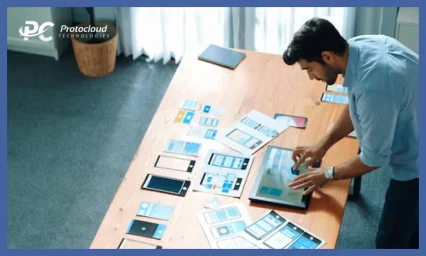
Next, focus on the design of the fasting app. Create simple wireframes and clean visuals. Use a calming color palette and an intuitive interface.
A well-designed personal fasting app enhances the user experience.
This increases long-term user engagement.
Step 3: Build the MVP
Start with a fasting app MVP. Include core features:
- Sign up and log in
- Fasting tracker app
- Progress dashboard
- Notifications and reminders
The MVP lets users test your app quickly. It helps validate your idea before full-scale development.
Step 4: Test with Users
Conduct fasting app testing with real users. Gather feedback on design and functionality. Improve your app based on this input. Testing ensures a smooth, reliable user experience for fasting app users.
Step 5: Launch on App Stores
Publish your app to iOS and Android app stores fast. Publish the app on the App Store and Google Play so users can easily download it.
Include keyword-rich descriptions like:
“Organize your fasting schedule, strengthen healthy habits, and stay consistent with an advanced fasting app in 2025.”
A strong launch increases visibility for your beginner-friendly fasting app and helps attract early users.
Step 6: Marketing and Growth
After launch, focus on growth. Use fasting app marketing, fasting app SEO, fasting app content marketing, influencers, and paid ads. Expanding your reach drives faster app growth and long-term success.
Development Cost and Budget
Budget planning is essential. Many factors affect the intermittent fasting app cost: app complexity, features, and development team experience.
- Simple apps cost $10,000–$50,000. These include core fasting app features.
- Complex apps can exceed $100,000. Extras may include:
- Personalized fasting plans
- Machine learning for custom fasting schedules
- Fasting app with wearable integration
Include server hosting and ongoing maintenance in your fasting app budget. This ensures fasting app scalability, security, and smooth operation.
Accurate Estimates
Talk to app development companies or independent developers. They provide precise estimates for fasting app development costs. Experts guide you on UX, app functionality for fasting apps, and app optimization.
Strategic Budget Planning
Plan your resources wisely. A well-planned budget ensures your app has everything it needs for a smooth launch and long-term success. Clever resource use helps your health and wellness app stand out in a crowded market.
Monetization Strategies for Intermittent Fasting Apps
Making money from your app is easier when you plan. Monetization strategies for intermittent fasting apps turn a helpful tool into a profitable business.
Here are the best ways to earn from the development of an intermittent fasting app project:
Freemium + Subscription
Give basic features for free. Charge $4.99-$14.99 per month for advanced tracking and content.
A freemium fasting app attracts beginners. Subscription perks can include extra analytics, a bonus fasting challenges app, and exclusive videos. This model ensures steady revenue.
In-App Purchases
Sell extra tools and content inside your app. Options include:
- Fasting ebooks app with expert advice
- Specialized meal plan app
- Extra fasting challenges app
These in-app purchases for the fasting app options increase revenue while keeping the main app free. Users pay for added value tailored to their goals.
Affiliate Marketing
Promote relevant products to earn money. Partner with:
- Fitness apparel affiliate brands
- Health supplements affiliate programs
Sponsored posts and recommendations inside your affiliate marketing fasting app bring revenue without annoying users.
Ads (With Caution)
Ads can generate revenue when used carefully. Use non-intrusive ads for placements in fasting apps. Keep the interface clean to retain users.
Simple Tips to Make Your App Shine in 2025
To succeed, focus on features that make users love your app:
- Personalized fasting plan app: Use AI-based fasting algorithms to create tailored fasting schedules. Adapt plans to users’ daily routines.
- HIPAA-compliant fasting app and GDPR compliant fasting app: Keep user data safe in the US and abroad.
- Offline mode fasting app: Let users access timers and content without an internet connection.
- Lightweight fasting app / fast loading fasting app: Quick loading improves user retention in the fasting app.
- Gamification fasting app: Add streaks, challenges, and badges to motivate users.
These tips make your app stand out among the best fasting apps of 2025 and increase engagement.
Final Thoughts
The wellness industry is growing fast. Apps like Zero Fasting set high standards. With the right vision, team, and execution, your app can help people and earn money.
Focus on fasting app user experience, utility, and retention. Whether you create a simple fasting tracker app or a full wellness platform app, now is the time to act.
Working with experts like The Intellify fasting app ensures your health and wellness app is high-quality. Proper wellness app development creates a digital health app that thrives in the competitive fasting app market.
With the right features, monetization strategies, and a focus on growth, your app can achieve long-term success in the US and worldwide.















































Leave a Reply