


1. Introduction: Why Travel Apps Are Evolving Fast

Travel planning looks very different today. Users no longer jump between websites to book flights, hotels, and experiences. They want speed. They want clarity. Most importantly, they want everything inside one online travel booking app.
This shift explains the rise of platforms like Almosafer. These apps combine flights, hotels, holiday packages, payments, and support in one place. That convenience saves time and builds trust.
The year 2026 is a major milestone for travel app development. Mobile bookings are at record levels. AI is shaping smarter recommendations. Travellers now expect personalisation, instant updates, and secure payments.
In the Middle East, mobile-first travel behaviour is growing even faster. Strong digital infrastructure, rising tourism, and regional innovation make it the perfect time to build an app like Almosafer and compete in a high-growth market.
2. Why Almosafer Stands Out as a Leading Travel Booking Platform
Almosafer is a complete travel aggregator platform. It allows users to book flights, reserve hotels, explore packages, and manage trips from one app. Everything feels connected and simple.
What makes this app like Almosafer stand out is its deep regional focus. It supports local languages, regional currencies, and trusted payment methods. This localization removes friction and builds confidence.
Global OTAs often feel generic. Almosafer feels personal. Prices are clear. Support is responsive. Travel options match local preferences.
Consistency drives success. Users trust the platform because it works. Bookings go through smoothly. Support is available when needed. That reliability has made Almosafer a leader in Middle Eastern travel booking app development.
3. Market Opportunity for Travel Apps in 2026
Travel demand has fully rebounded. People are traveling more often, both regionally and internationally. Most of these bookings now happen on mobile devices.
Users prefer apps that understand local travel behavior. This trend fuels demand for Middle East travel app development instead of global-only platforms.
Saudi Arabia’s tourism expansion is creating massive opportunities. New destinations and events attract global visitors.
The UAE remains a global aviation and tourism hub powered by advanced UAE travel technology.
Cross-border GCC travel continues to grow, supported by strong infrastructure and digital payments.
Together, these trends make 2026 the ideal time to launch a travel app like Almosafer for the Middle East market.
4. Key Features Needed to Build an App Like Almosafer
Core Features
User onboarding must be fast. Simple registration improves retention in any mobile travel app development project.
Flight search and booking should be quick and accurate. Smart filters help users compare prices easily.
Hotel search requires detailed listings, images, reviews, and real-time availability using hotel booking APIs.
Holiday packages add value. Bundled deals help users save money and plan faster.
A secure checkout process with mobile payment gateway integration builds trust and supports secure online payments.
Booking history and notifications help users manage trips without confusion.
Advanced Features
AI-based travel recommendations turn the platform into an AI-powered travel app. Users see relevant options faster.
Dynamic pricing tools keep the app competitive in real time.
Multilingual support, including Arabic, is essential for an Arabic-language travel app.
Loyalty programs increase repeat bookings.
Live chat and call support improve reliability and user confidence.
5. UI/UX Design Considerations for Travel Apps
Design directly impacts conversion. Users should find flights or hotels within seconds.
Search and filter flows must feel natural. Fewer steps mean higher booking rates.
The booking journey should be smooth and fast. Slow pages cause drop-offs.
Transparent pricing matters. Hidden fees destroy trust.
Personalization boosts engagement. Show destinations based on behavior and history.
A mobile-first approach ensures smooth performance across all devices in a flight and hotel booking app.
6. Technology Stack Required
Frontend
iOS apps built with Swift deliver speed and reliability.
Android apps built with Kotlin ensure stability.
Flutter or React Native reduce cost and time for OTA app development.
Backend
Node.js or Python support scalable systems.
APIs power flight booking API integration and hotel search.
Cloud platforms like AWS or GCP enable a scalable cloud-based travel app.
Data & AI
A travel recommendation engine improves personalization.
Pricing intelligence helps optimize offers.
User analytics support better decision-making.
7. Travel APIs & Third-Party Integrations
Flight APIs like Amadeus and Sabre provide real-time inventory.
Hotel APIs from Booking and Expedia expand accommodation options.
Payment gateways support secure transactions.
Maps enhance navigation and discovery.
Customer support tools accelerate issue resolution on a mobile travel booking platform.
8. App Development Process Step-by-Step
- Market research and competitor analysis
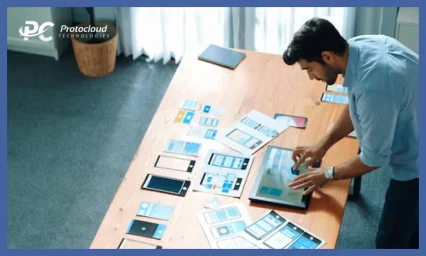
- Feature planning and wireframing
- UI/UX design
- API integration
- App development
- Testing and QA
- App store launch
- Post-launch updates
This travel app development process step by step ensures quality, speed, and reliability.
9. Cost to Build an App Like Almosafer in 2026
The cost to build an app like Almosafer depends on features and scale.
An MVP includes basic bookings and payments.
A full platform includes AI personalization and integrations.
Ongoing maintenance covers updates, security, and cloud usage.
API usage, compliance, AI features, and infrastructure all affect pricing in travel app development for the Middle East.
10. Monetization Strategies for Travel Apps
Commissions on bookings remain the main revenue source.
Sponsored listings help airlines and hotels gain visibility.
Premium memberships unlock exclusive benefits.
Travel insurance partnerships add value.
Ads should stay minimal and targeted to protect user experience.
11. Compliance, Security & Data Privacy
Payment security standards are mandatory.
User data protection laws must be followed.
GDPR and regional rules ensure legal safety.
Strong authentication improves mobile app security.
Compliance builds long-term trust in tourism app development.
12. Challenges & Risks to Prepare For
API dependency can impact uptime. Multiple providers reduce risk.
Price competition is intense. Differentiation matters.
Trust takes time. Reliable support helps.
Peak seasons strain servers. Scalable infrastructure solves this.
13. Marketing & User Acquisition Strategy
ASO improves visibility in app stores.
SEO content drives organic traffic.
Influencer marketing builds credibility.
Referral programs fuel growth.
Email and push notifications improve retention for any hotel booking mobile app.
14. Future Trends in Travel Apps (2026 & Beyond)
AI-based travel booking apps will dominate.
Voice search will grow.
Sustainable travel features will influence decisions.
Hyper-personalized itineraries will increase satisfaction.
Super-app style travel technology solutions will lead the market.
15. Things That Need to Be Improved in an App Like Almosafer
Even successful platforms can improve. To build an app like Almosafer that truly stands out in 2026, certain areas need smarter upgrades and refinements.
First, personalization needs to go deeper. Many travel apps show recommendations, but users now expect highly relevant suggestions. A modern travel app like Almosafer should use AI-powered travel app logic to understand user behavior, past bookings, preferred destinations, and budgets. This helps deliver tailored flight and hotel booking app results instead of generic listings.
Second, real-time pricing accuracy must improve. Price mismatches hurt trust. A strong travel aggregator platform should rely on better flight booking API integration and hotel booking APIs to ensure users always see updated prices. This reduces drop-offs during checkout and improves booking confidence.
Third, faster customer support is essential. Travelers often need instant help. Improving in-app chat, adding AI chatbots, and offering regional language support can strengthen trust. For a travel app for the Middle East market, Arabic-first support can be a big win.
Another key improvement is simplifying the booking flow. Fewer steps lead to more conversions. A mobile travel booking platform should allow users to complete bookings quickly with saved preferences, one-tap payments, and clear confirmations.
Security also needs constant upgrades. A cloud-based travel app must focus on mobile app security, secure online payments, and strong user data protection. This aligns with Google EEAT and builds long-term credibility.
Finally, loyalty and rewards systems should feel valuable. Instead of basic points, users want meaningful rewards like exclusive deals, upgrades, or bundled offers. This improves retention in online travel booking app ecosystems.
Improving these areas helps create a stronger, more reliable travel app development experience and positions the app as a true Almosafer alternative app development solution.
Final Thoughts
Building an app like Almosafer in 2026 is a strong opportunity. Success depends on experience, trust, and technology.
Focus on personalization, security, and regional relevance from day one. A long-term vision makes the difference between growth and failure.
- Conclusion
Building an app like Almosafer in 2026 is a powerful opportunity—but success depends on execution. Travel app development today is no longer just about listings and bookings. It’s about trust, speed, personalization, and reliability.
A successful travel booking app development strategy focuses on user experience first. From smooth flight and hotel booking app flows to secure payments and responsive support, every detail matters. Markets like Saudi Arabia and the UAE are driving massive demand, making Middle East travel app development especially promising.
To build an app like Almosafer that lasts, businesses must invest in strong technology, reliable APIs, and AI-based travel booking app features. At the same time, compliance, security, and transparency should never be overlooked.
The brands that win in 2026 will be those that think long-term. Focus on users. Build trust. Improve continuously. With the right vision and execution, a mobile travel app development project can grow into a trusted travel platform across the Middle East and beyond.
16. FAQs
How much does it cost to build an app like Almosafer?
Costs depend on features, APIs, and scalability needs.
What APIs are required for a travel booking app?
Flight, hotel, payment, maps, and support APIs are essential.
Is it legal to build a travel app in the Middle East?
Yes, with proper compliance and data protection.
How long does travel app development take?
Timelines vary based on complexity and integrations.
What makes a travel app successful in 2026?
Speed, personalization, trust, and reliability.





































































Leave a Reply