Most businesses fail for one simple reason. It’s not that the product is bad—it’s that they’re reaching the wrong audience. If you do not know who you are talking to, your marketing will fail. Your ads will not convert. Your content will sit there with zero views. No matter how polished your website is, it won’t help if your audience is wrong.
In this guide, I will show you examples of target audiences that actually work. We will look at real-life scenarios for both B2B and B2C target audiences. By the end of this post, you will know precisely how to find your ideal customer. You will have a clear path to define your own audience with total confidence.
What Is a Target Audience?
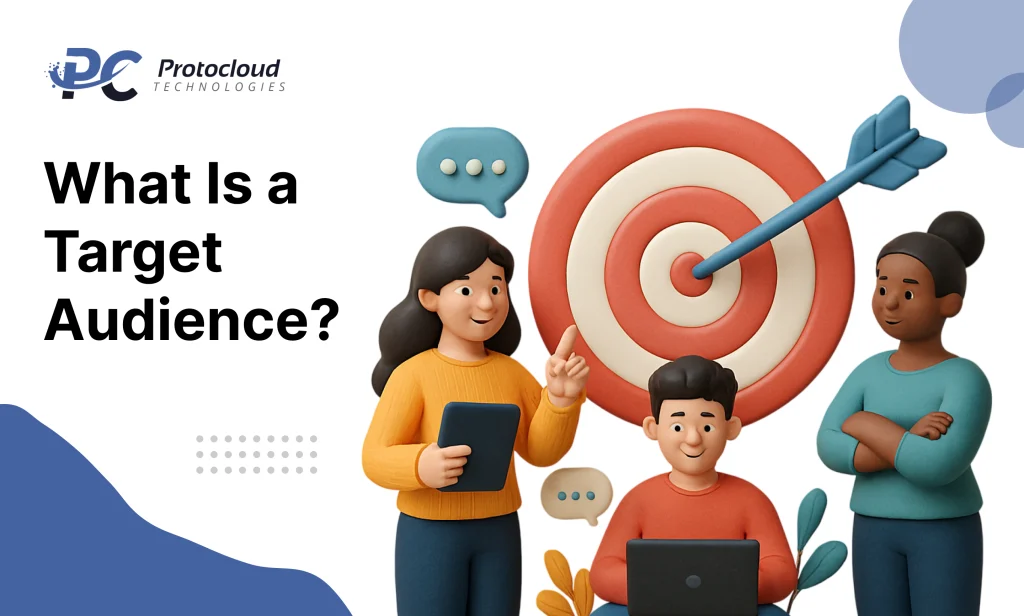
Before we dive into the data, let’s look at a target audience definition with examples. A target audience is the exact group of people your message is meant for. These are the people most likely to buy what you sell. They face a problem, and you have the answer.
Many people confuse the target market with the target audience. Think of it this way. Your target market is a broad group, like “fitness enthusiasts.” Your target audience is more specific, like “busy moms in Chicago who want to lose weight after pregnancy.” This is where audience segmentation becomes your best friend.
When you perform a target audience analysis, you look at specific factors. You want to know their age and where they live. You need to understand their job role and how much money they make. Most importantly, you need to find their customer pain points. If you solve a specific pain point, you can win a loyal customer. Remember this rule: The more specific you are, the better your results will be. In marketing, clarity always beats reach.
B2C Target Audience Examples
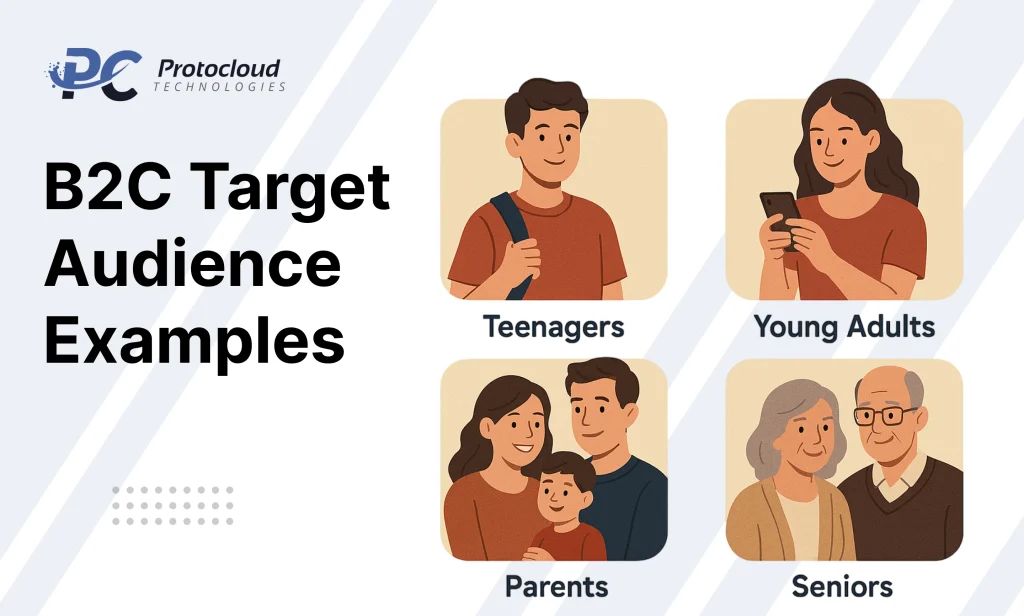
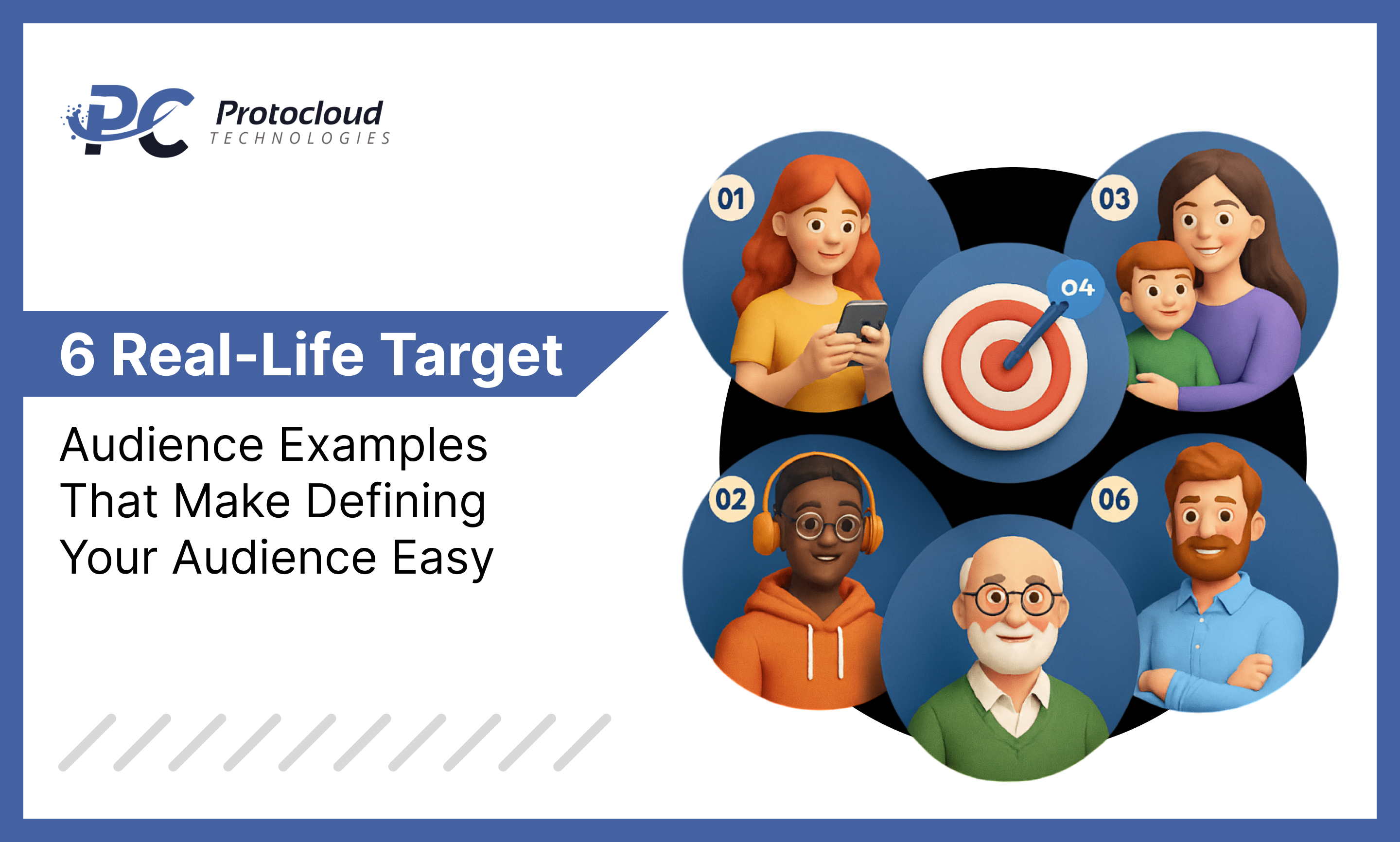
Business-to-consumer (B2C) marketing is often about emotional buying behavior. People usually make buying decisions based on emotions rather than logic. They want to be happier, healthier, or more stylish. Let’s look at three b2c target audience examples to see how this works in the real world.
-
The Busy Urban Professional (Fitness App)
Think of a company that offers a fitness app you can use on your phone. Their ideal customer is not a professional athlete. Instead, they target people aged 22 to 35. These people live in big, crowded cities. They work long hours at high-stress jobs. Their biggest problem? They struggle to make time for a gym routine.
This brand uses a brilliant marketing strategy as an example. They do not show 2-hour gym sessions. Instead, they post Instagram Reels with 10-minute home workouts. They offer a free 7-day trial to lower the risk. This works because it fits the user’s lifestyle. It makes fitness feel achievable rather than a chore. This is a classic example of niche targeting.
-
The Trend-Focused Gen Z (Fashion Brand)
Next, let’s look at an online clothing store. Their target audience examples for marketing focus on young women aged 18 to 28. These shoppers care about what is “in” right now. They spend hours on TikTok and follow top influencers. Their budget is mid-range, meaning they want style without spending a fortune.
These brands often focus on ecommerce lead generation to build their email lists. They use influencer marketing to build trust. They run flash sales to create a sense of urgency. This works because the brand understands its customers’ emotions. They aren’t just selling clothes; they are selling a “popular look” today. This shows how customer behavior analysis helps a brand stay relevant.
-
The Local Family (Casual Restaurant)
Local businesses need a different approach. A casual dining restaurant focuses on families and nearby office workers. They do not care about people three states away. They concentrate on location-based customers who want a nice weekend dinner or a quick weekday lunch.
Their strategy relies on Google Maps SEO and local ads. They offer “family meal deals” or “lunch combos.” This works because they target daily habits. They make it easy for a hungry person in the neighborhood to choose them over a chain. This is an excellent example of customer segmentation based on geography.
B2B Target Audience Examples
In the B2B world, things change. You are not just selling to a person; you are selling to a business. Decision-makers in B2B usually want to see one thing: ROI. They want to know how you will save them time or make them money. Let’s look at three b2b target audience examples.
-
The Growing Startup (Web Development Agency)
A web development agency targets small to mid-size business owners. They often focus on industries like healthcare or e-commerce. These owners have a big problem. Their current website is slow, or they have no online presence. This hurts their lead generation strategy.
The agency uses LinkedIn content and detailed case studies to show their work. They write SEO blogs to prove they are experts. B2B buyers need proof and credibility. They want to see that you have helped companies just like theirs. This is where an ideal customer profile example document becomes very helpful for the sales team.
-
The Corporate Manager (HR Software)
A SaaS company selling HR software has a particular target. They look for HR Managers in companies with 50 to 500 employees. Why? Because at that size, manual paperwork becomes a nightmare. The customer pain points here are wasted time and human error.
They use email marketing and free demos to get their foot in the door. They host webinars to teach managers how to automate their tasks. This strategy works because it speaks directly to the person who has the most to gain. It solves a professional headache, making the software an easy “yes.”
-
The Results-Driven Founder (Digital Marketing Agency)
Finally, consider a digital marketing agency. They might target real estate or retail business owners. These founders do not care about “likes” or “shares.” They care about leads and sales. Their goal is growth.
The agency shares performance-based case studies. They use retargeting ads to stay in front of busy founders. This works because it focuses on the bottom line. By showing a clear path to profit, the agency builds trust quickly. This is a prime example of a digital marketing audience that values data over fluff.
How to Define Your Own Target Audience
Now it is your turn. You have seen real-life examples of the target audience. How do you build your own? You don’t need a huge budget to make this work. You just need a simple, step-by-step framework to follow to learn how to define target audience parameters.
First, you must identify your ideal customer. If you could only have ten customers, what would they look like? Think about their age, their job, and their goals.
Second, you must understand their biggest problem. What keeps them awake at night? If you can describe their situation better than they can, they will believe you have the solution.
Shutterstock
Explore
Third, find out where they spend their time. Do they read LinkedIn posts or watch TikToks? Do they search on Google or ask for advice in Facebook groups? Meet them where they already are. Fourth, look at your competitors. Who are they talking to? You might find a gap in the market that they are missing. This is a key part of the target audience in marketing.
Finally, you must test and refine. Use your data. Check your Google Analytics and social media data. See who is actually clicking and buying. Your first guess might be slightly off, and that is okay. For those in the online store space, focusing on ecommerce lead generation will give you the data you need. The best marketers are constantly learning and adjusting their online business marketing plans.
B2B vs B2C: Key Differences
It is helpful to see how these two worlds compare. Use this table to understand each group’s vibe.
Factor B2B (Business) B2C (Consumer)
Decision Time Long (Weeks or Months) Short (Minutes or Days)
Buying Logic Driven by ROI and Logic Driven by Emotion and Style
Content Focus: Case Studies and Whitepapers, Videos, Trends, and Photos
Primary Platform: LinkedIn and Email, Instagram, TikTok, Facebook
In B2B, you are often dealing with a group of people. In B2C, you are usually talking to just one person. Keep this in mind as you build your buyer persona examples. If you run an online shop, your ecommerce lead generation tactics should reflect these quick, emotional triggers.
Common Mistakes to Avoid
Many people get their target audience examples wrong because they make simple mistakes. The biggest mistake is being too broad. If you try to target “everyone,” you will end up converting no one. Your message will be too weak to spark interest.
Another mistake is ignoring your own data. Your customers are telling you who they are through their behavior. Please don’t ignore it. Also, avoid unthinkingly copying your competitors. What works for them might not work for your unique brand voice. Finally, remember that audiences change. A profile you created three years ago might be outdated today. Keep your target audience analysis up to date to maintain strong ecommerce lead generation.
Summary of Success
Your marketing becomes powerful the moment you truly understand your audience. You stop guessing and start growing. Use these target audience examples as a guide to find your own path. Focus on the problems you solve and the people who have those problems. When you do that, your business will transform.